


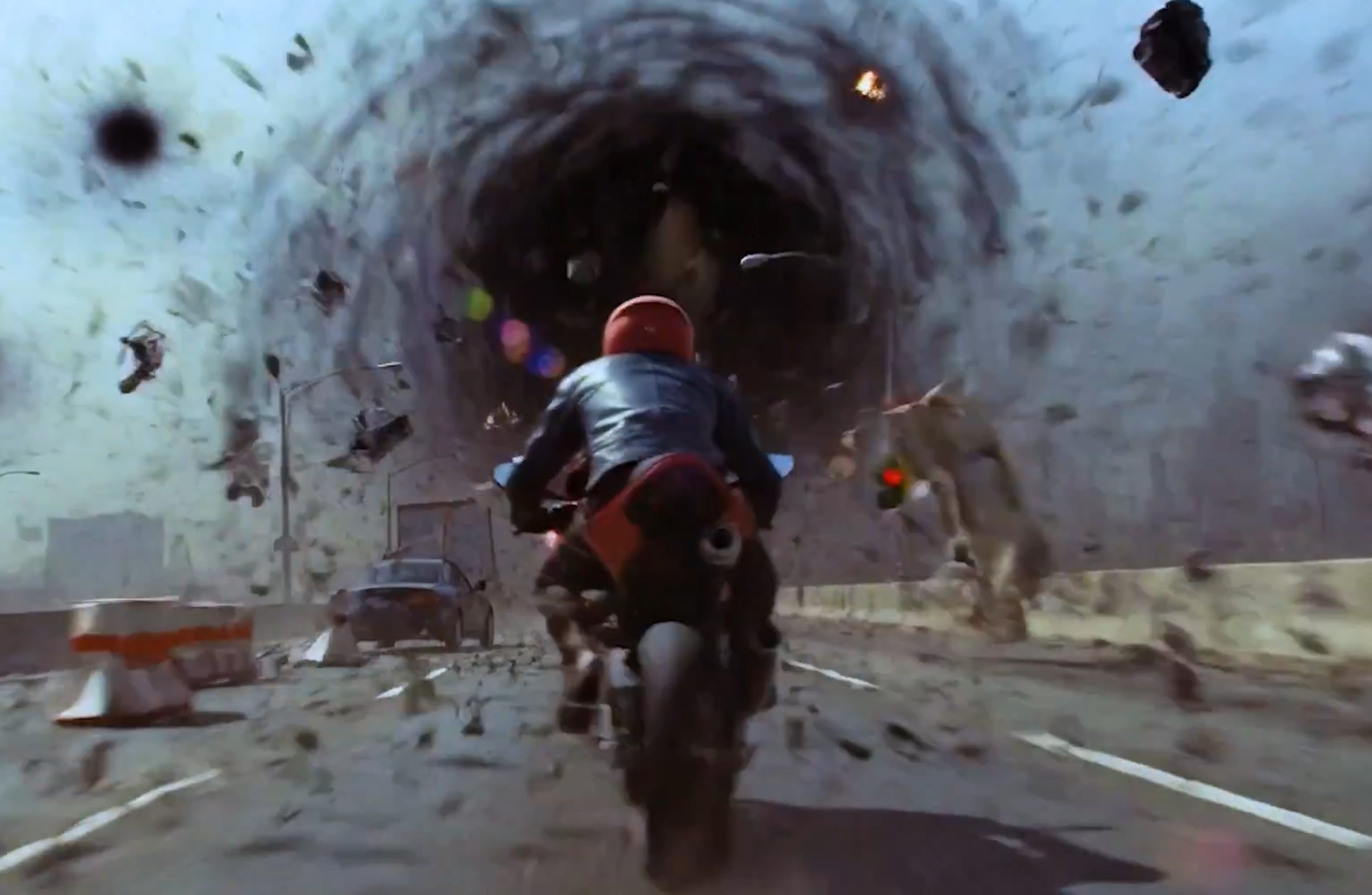
A trailer dropped this spring from an account called AI OR DIE, and within a couple of weeks it had cleared six figures of views across YouTube, X, and every corner of LinkedIn where people argue about the future of work. It is for a movie called π Hard. That is Die Hard, if the terrorist holding the building hostage were arithmetic itself. And I want to be careful about how I say the next part, because I make my living being skeptical of exactly this kind of thing: it is better than most of what the studios are currently sitting on.
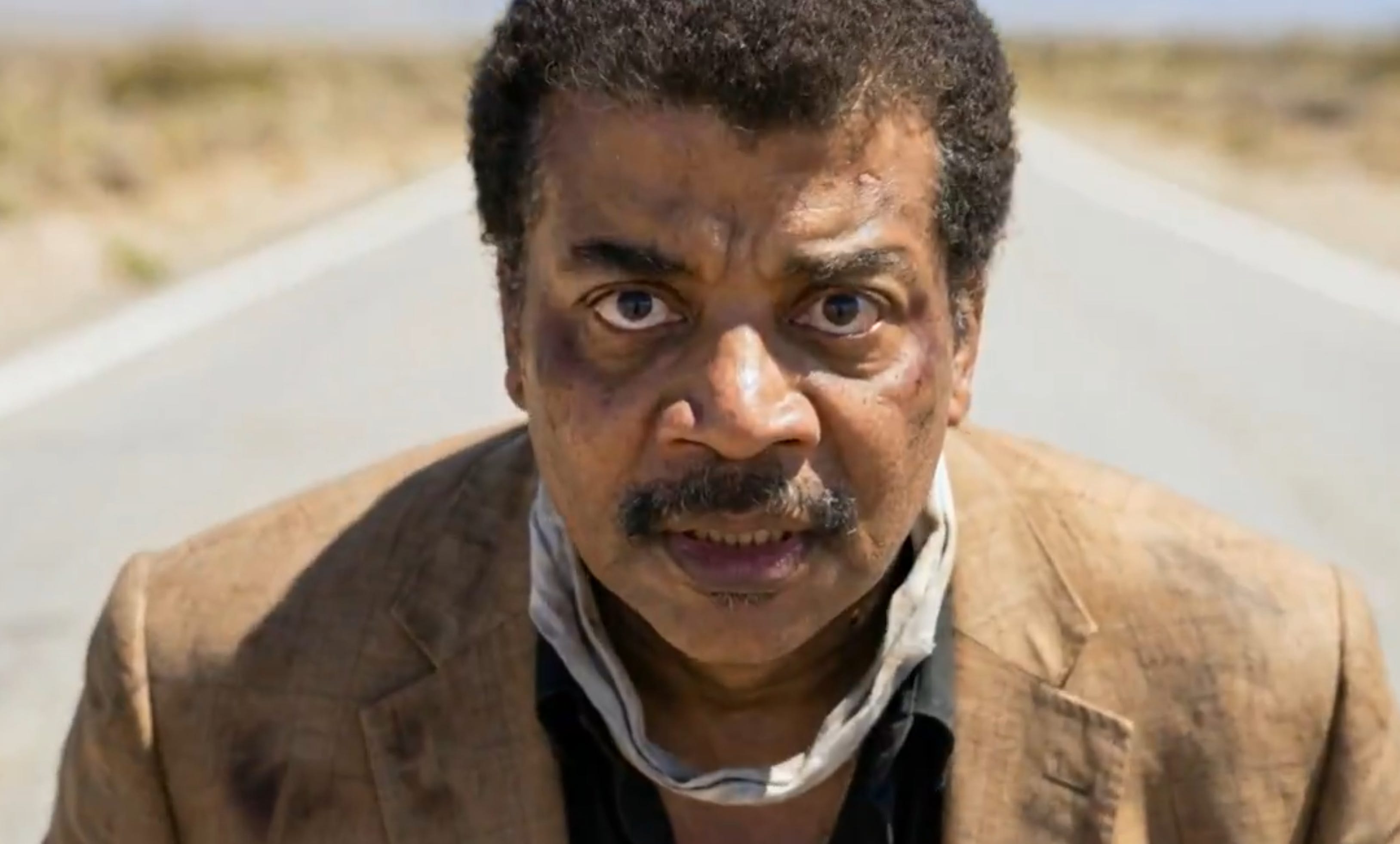
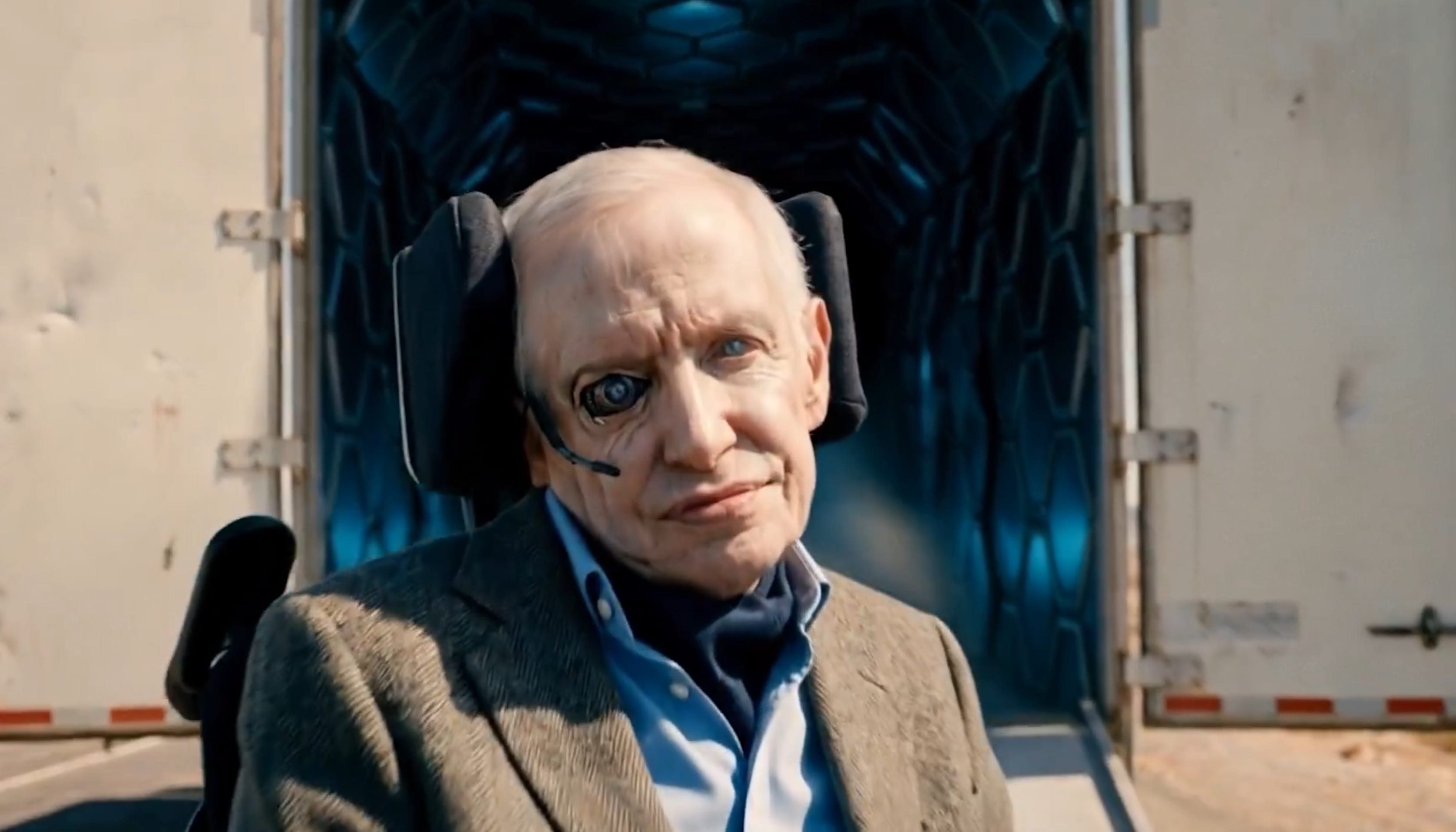
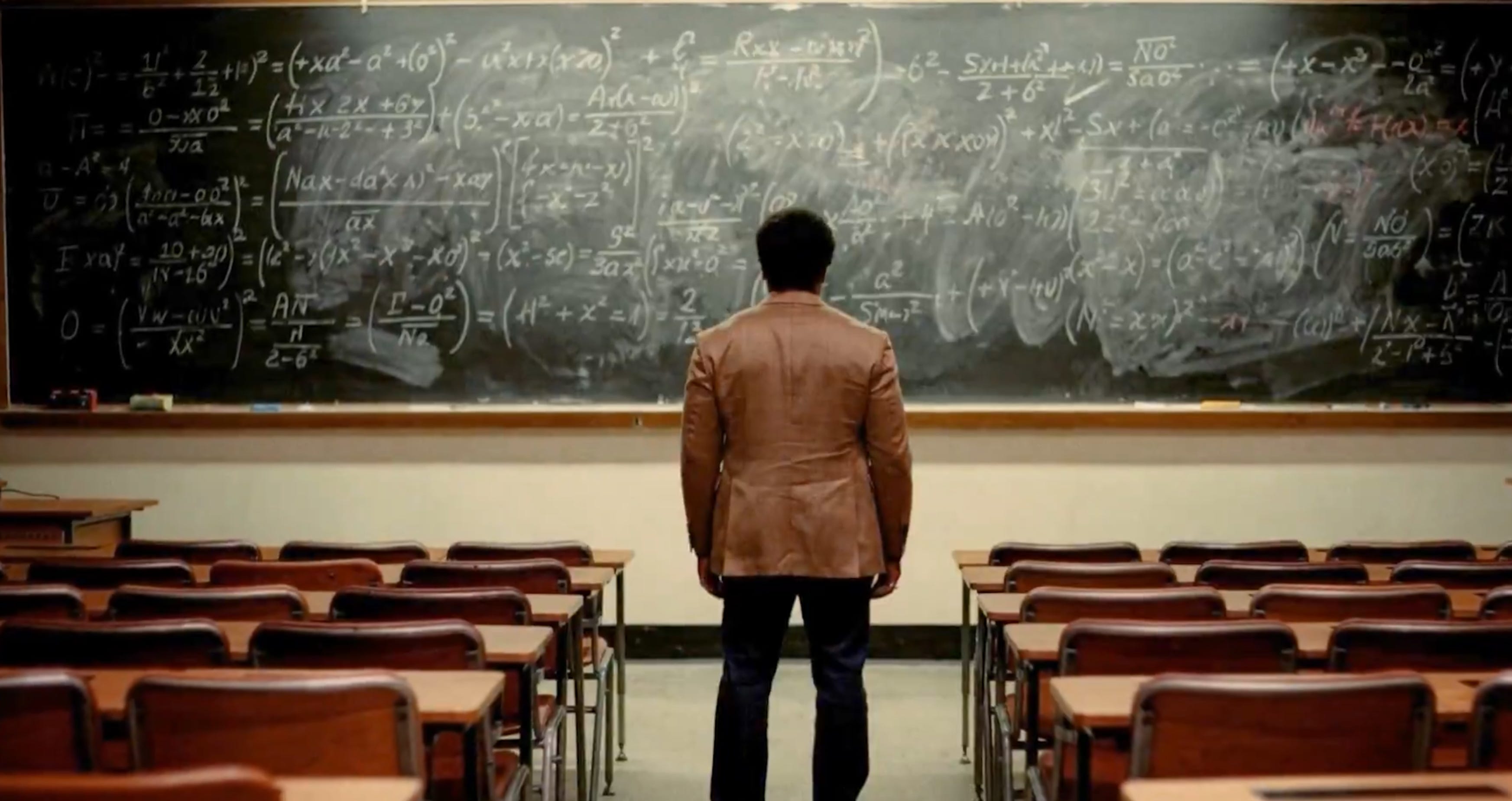
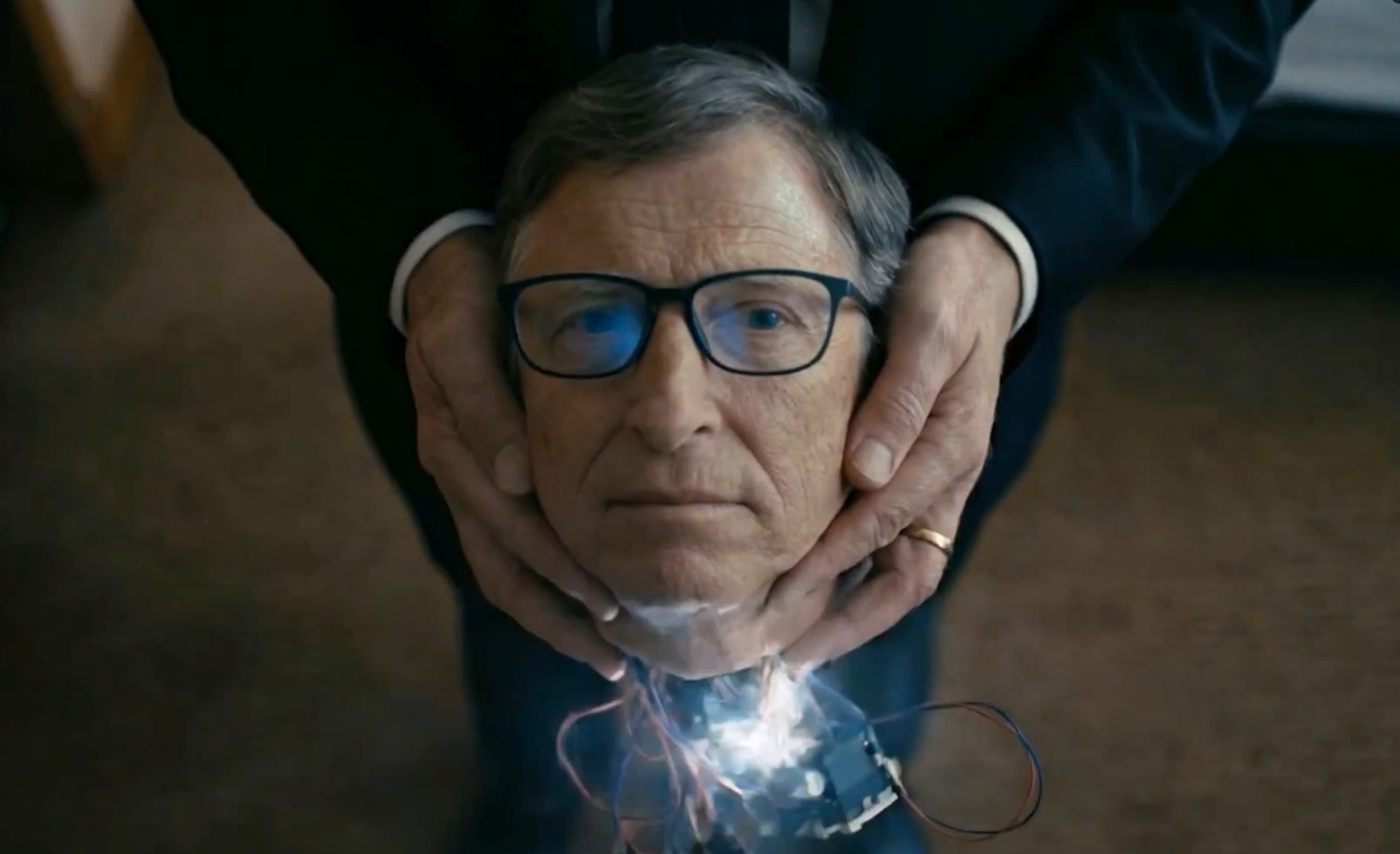
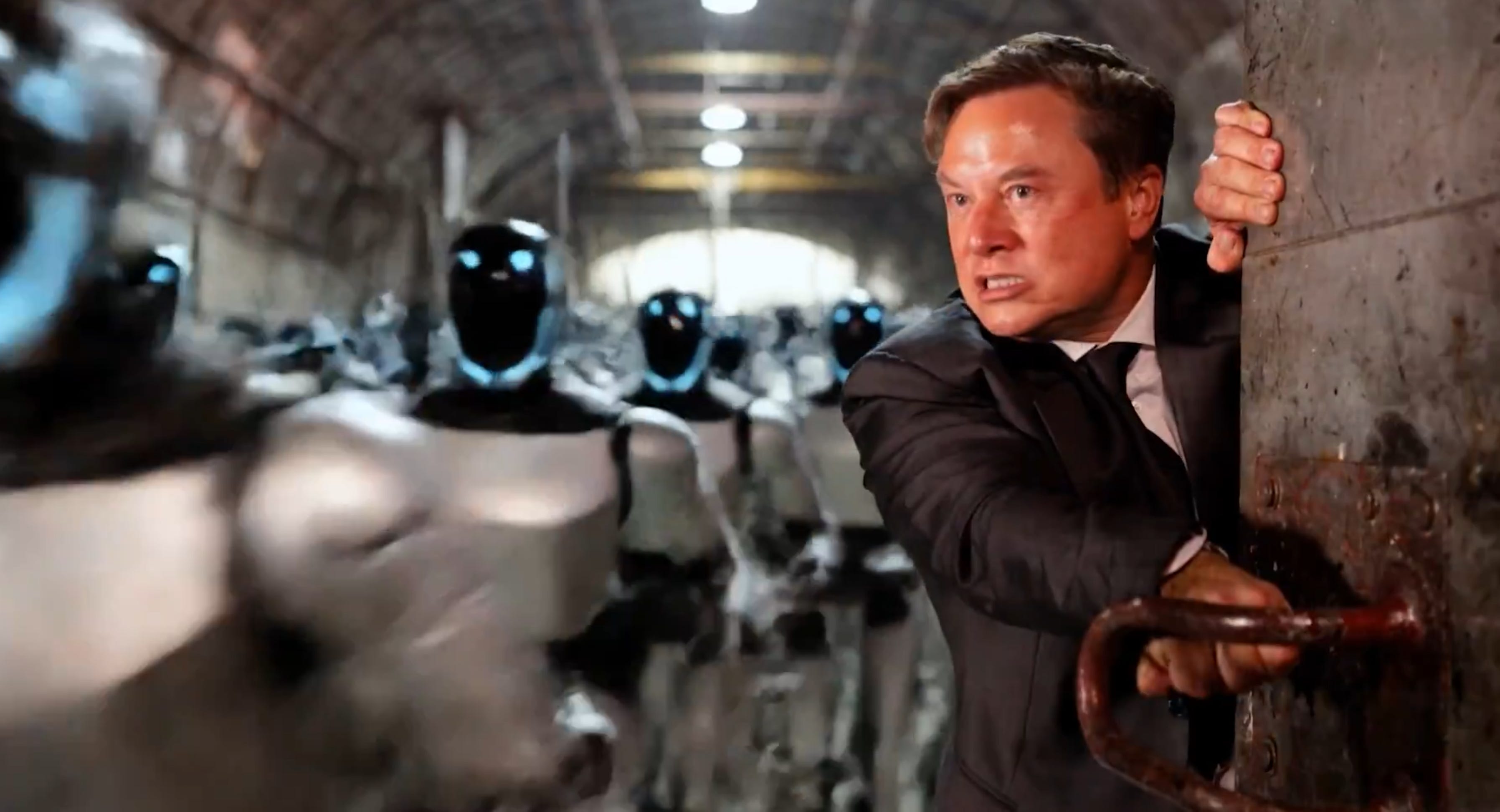
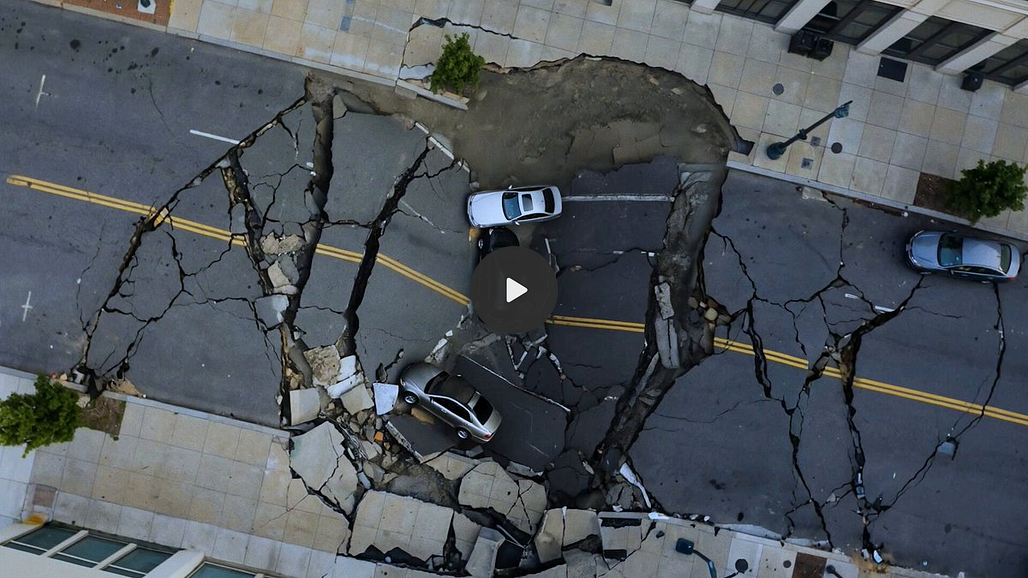
The premise is that the laws of physics are breaking down. Someone, or something, is changing the math, and a backdoor has been quietly built into the universe. It is The Matrix by way of a group chat, and it is played completely straight until it isn’t. The cast is where it goes fully unhinged. A synthetic Neil deGrasse Tyson is paired with a synthetic Sam Bankman-Fried as the unlikely buddy leads. A digital Elon Musk commands an evil robot army. Bill Gates has a sinister robot clone. The late Stephen Hawking returns with a laser-eye weapon and a levitating wheelchair. Elizabeth Holmes, New York mayor Zohran Mamdani, Eric Weinstein, a memeified JD Vance, Candace Owens, and MrBeast all wander through it. It ends, according to everyone who has clipped it, on a punchline involving a Nutella allergy.
Here is the part that should keep a studio executive up at night. None of this was rendered by a visual effects house. It was assembled out of tools you can open a browser tab and pay for this afternoon — ByteDance’s Seedance 2.0, Kling, Grok, ElevenLabs, Freepik, Fish Audio. The achievement is not any single shot. Individual AI shots have been impressive for a year now. The achievement is cohesion. The thing holds together as a trailer. It builds real tension from confusion to global crisis, it lands its jokes on time, and it understands that a two-minute action trailer needs a release valve as badly as it needs a threat. That is craft, and it did not come out of a writers’ room. MARS Magazine covered it as a genuine cultural event. Over on Substack the reactions ran from hilarious to ominous, with more than one writer reaching for This Is The End as the closest comparison. The consensus, grudging or gleeful depending on who was typing, is the same: the tools have arrived.
And now the part the hype cycle would very much like to skip. The single most convincing performance in π Hard belongs to a man who never showed up to set, because there was no set — and who has spent the last year on camera, in his own words, warning us about this precise thing. The real Neil deGrasse Tyson opened a recent video by announcing, deadpan, that after running some numbers and studying the satellite data he could no longer escape the conclusion that the earth might in fact be flat. Then he stepped into frame holding a phone that was playing that very clip, and told his audience plainly that it wasn’t him and those were not his words. His distinction was surgical. A deepfake that is an obvious parody, he said, is fine. The danger begins the moment the audience can no longer tell. That is the line. It is a good line. And he drew it before π Hard existed. He has been saying a version of it for years — back in 2023 he warned that convincing AI fakes could be the final “nail in the coffin” for anyone’s trust in the internet.
So which is it. Is π Hard a triumph or a warning shot? The honest answer, the one you only get if you have actually shipped software into production and watched a polished demo collide with reality, is that it is both at the same time, and anyone selling you only one half is selling you something. It is a real demonstration that a small team with taste can now out-ship a studio on turnaround and on sheer entertainment value. It is also a real demonstration that we have built a machine capable of putting a coherent, funny, persuasive performance into the mouth of any public figure, living or dead, without ever asking them. Both of those sentences are true. Pretend only the first is true and you get sued. Pretend only the second is true and you miss the largest shift in how moving pictures get made since the home camcorder.
MARS Magazine said the quiet part out loud in its own coverage: because of the legal exposure, π Hard will almost certainly never become a feature, and may not enjoy a long life on YouTube. Read that carefully, because it is not a criticism of the work. It is the tell. The technology is production-ready. The rights framework around it is not. The distance between those two facts is where the next five years of entertainment litigation is going to live. The only reason π Hard sits, for now, on the safe side of Tyson’s line is that it is labeled parody, it is obviously parody, and it is genuinely funny. Those three things are doing an enormous amount of legal and ethical work, and the creators clearly know it.
So — should we get this movie done? As a proof of concept, it is already done, and it did its job more efficiently than a hundred think pieces on the subject, this one included. As an actual feature starring these actual faces, it cannot be made, and not because the tools can’t render it. It cannot be made because none of these people consented, and one of them has publicly said the opposite. The version of π Hard that truly ships is the one where a crew with AI OR DIE’s chops points this exact toolchain at faces that signed off, or faces that were invented from scratch. That film — a real, feature-length, AI-native action comedy built entirely on cleared or synthetic talent — is coming, and it is coming soon, and the trailer everyone is passing around this week is the clearest possible signal that the last obstacle between here and there is not compute. It is paperwork. The math, it turns out, was never the hard part. Someone is changing the math. Someone still has to change the contracts.
Now Go Make the One That Ships
There is an obvious temptation sitting at the end of a trailer this good, and it is worth naming plainly so we can set it aside: do not go home and render the full-length π Hard. Not because you can’t — the same toolchain that produced the trailer will produce ninety minutes of it on a decent GPU or a cloud credit balance — but because the moment you generate a feature out of Tyson, Gates, a sitting Vice President, and a man who has already told the world those were not his words, you have stopped making a parody and started manufacturing a person’s performance without their consent. That is the one wall the trailer’s creators are carefully standing behind, and it is the wall that keeps this on the right side of the line Tyson drew. Home use does not move the wall. A likeness is a likeness whether it screens at a festival or on your living room television.
The far more interesting move — and the one this whole moment is actually inviting — is to point the exact same tools at faces you are allowed to use. Cast yourself. Cast friends who signed off. Cast people who never existed, conjured whole from a prompt, with no rights holder to answer to and no line to cross. Everything that makes π Hard land — the pacing, the tonal control, the comic release valve, the sheer turnaround — is fully available to you the instant you stop borrowing other people’s faces and start inventing your own. That is the film that ships. That is the film that can go to a festival, sell a ticket, build a name. The trailer proved the engine works. What it did not prove, and what nobody has proven yet, is that the engine needs a single non-consenting celebrity to be worth watching. Go be the one who proves it doesn’t.

About the Author
Gal Ratner is the founder and CTO of Inverted Software and WhiteStar Labs and the Chief Architect at Prana Entertainment. Across nearly thirty years on the Microsoft and .NET stack he has shipped production systems for clients including Microsoft, Sony, Rockstar Games, 2K Games, Best Buy, and Allegiant Air. His current work is in production agentic AI — MCP servers, retrieval pipelines, SQL Server 2025 vector search, and the PLogger observability framework — which is why he tends to write about this industry the way a mechanic talks about cars: from under the hood, not from the showroom floor. He calls himself the .NET AI guy that ships, and he means the second half. When he is not writing or building, he trains Brazilian jiu-jitsu in Las Vegas, rides motorcycles, co-hosts Edge Grip Podcast, and is the author of the novel The Archive of Lost Suns.